
Microsoft Moves On From Copilot+ PC Branding, but Its AI Hardware Rules Remain
Microsoft is phasing out the Copilot+ PC name for new computers while retaining the hardware requirements behind Windows 11's local AI features.
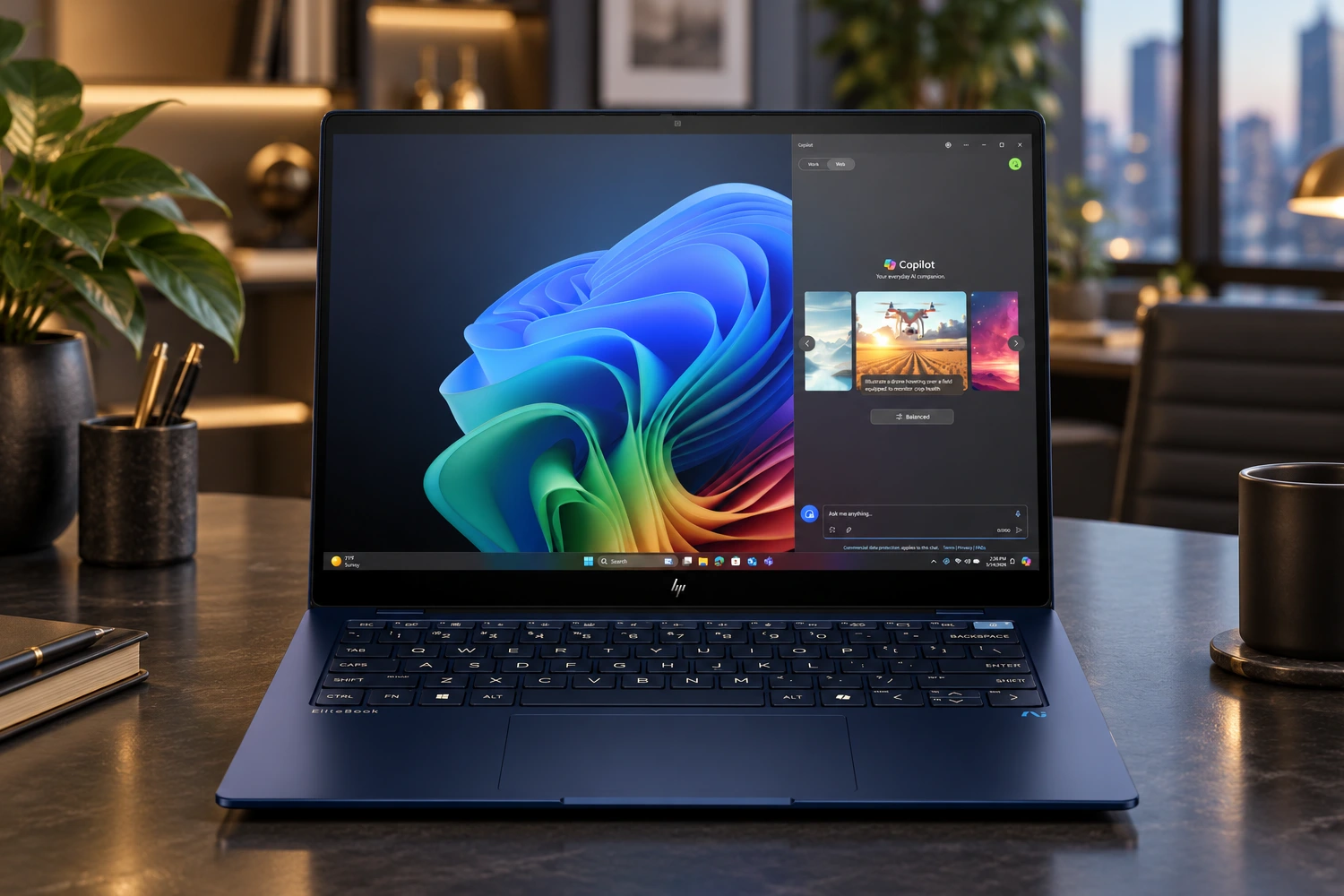
Microsoft is phasing out the Copilot+ PC name just over two years after introducing it as the banner for a new generation of AI-focused Windows computers. The branding may be going away, but the hardware requirements and exclusive Windows 11 features associated with the category are set to remain.
New Surface devices leave Copilot+ behind
Microsoft introduced Copilot+ PC in 2024 to distinguish Windows machines equipped to run a broader collection of AI workloads locally. The label featured prominently during the launch of Microsoft’s Surface hardware and was supported by Qualcomm, whose processors powered the first wave of systems.
The company’s newer Surface devices no longer carry that branding. Surface chief Brett Ostrum has confirmed that Microsoft is not calling them Copilot+ PCs, even though the computers meet the requirements established under the previous standard. Microsoft is still emphasizing on-device AI and hybrid processing that combines local hardware with cloud services.
The change therefore appears to be about terminology rather than a retreat from AI-enabled Windows hardware. Microsoft has not said whether it will introduce a replacement label for the most capable AI PCs.
The technical standard is staying in place
Copilot+ PC was created around a specific minimum hardware configuration. Qualifying systems require a neural processing unit, or NPU, capable of at least 45 trillion operations per second, along with 16 GB of memory and 256 GB of storage.
Those requirements continue to determine access to certain Windows 11 AI functions, including Recall, Click to Do and live captioning capabilities. Some features remain restricted by region or language, so compliant hardware does not necessarily guarantee identical functionality in every market.
An NPU is designed to process machine-learning tasks more efficiently than relying entirely on a computer’s CPU or graphics processor. Windows can use it for workloads such as background blur, simulated eye contact, local text or image generation and real-time captions. Some effects can operate without an NPU, but dedicated AI hardware can reduce their demand on other system resources.
Microsoft’s overlapping AI names caused confusion
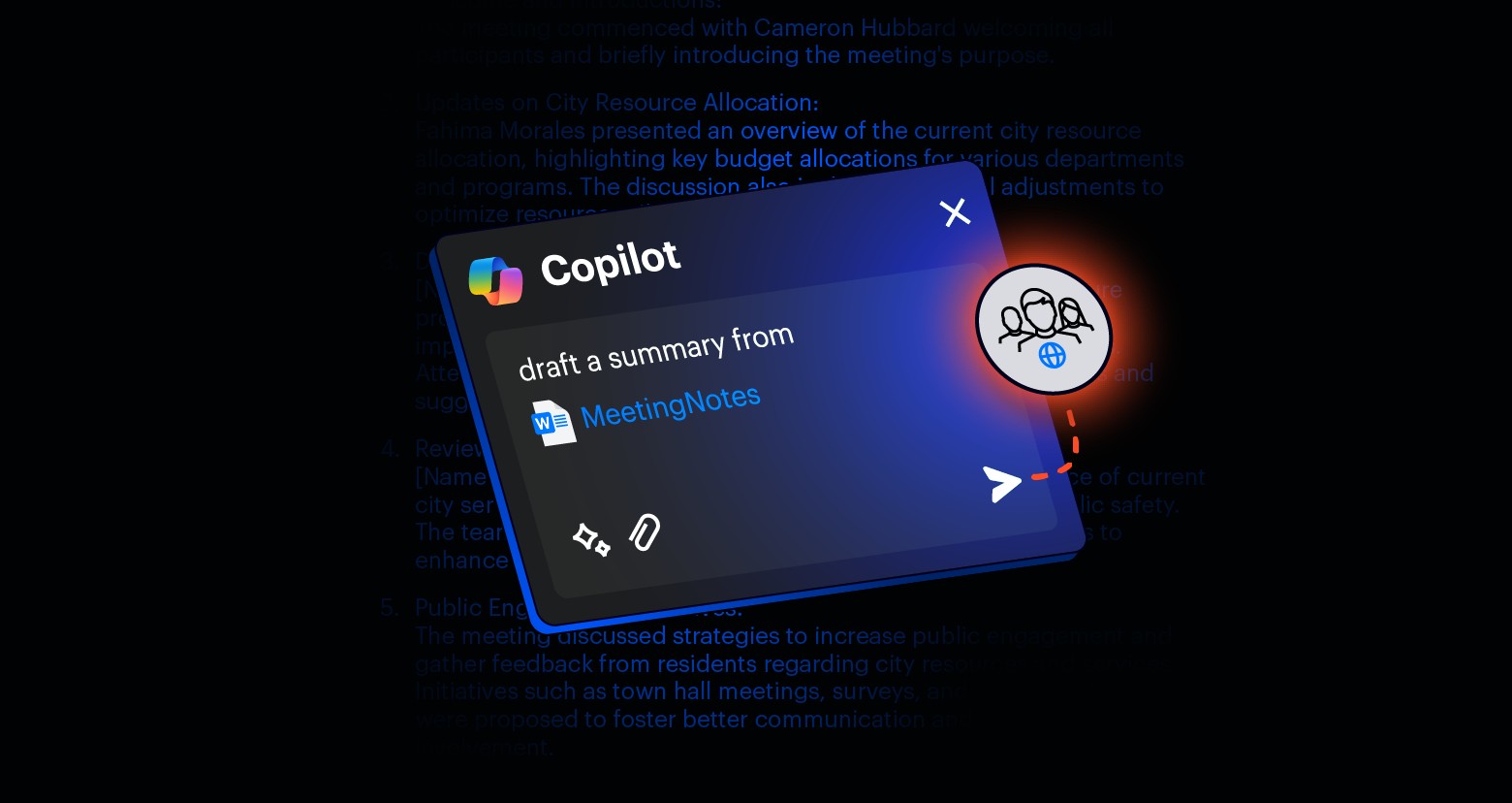
The retirement of the label could simplify a naming system that has become difficult to follow. Microsoft has used both Copilot PC and Copilot+ PC, despite the terms representing different things.
Copilot PC has served as a broader marketing description and does not necessarily indicate that a machine contains an NPU or supports the complete set of hardware-dependent Windows AI features. Copilot+ PC, by contrast, referred to systems that met Microsoft’s defined hardware threshold.
Windows 11 also includes the Copilot application, a cloud-based assistant that can run on ordinary Windows 11 computers with internet access. Its processing takes place online, separating it from features that depend on an NPU inside the PC. The similarity among these names made it harder for buyers to determine which functions a particular computer could support.
Recall complicated the original launch
The Copilot+ PC rollout also lost momentum when Recall, its headline Windows feature, faced strong criticism from security researchers. Recall is designed to help users retrieve previously viewed material, including a document or a topic discussed during a video call, by creating a searchable record of activity.
Microsoft delayed Recall after researchers raised concerns about its security. As a result, the first Copilot+ computers shipped without the central feature used to demonstrate the value of the new category.
The company has also faced resistance to its wider efforts to place AI functions throughout Windows. The dedicated Copilot key that appeared on many laptops was another visible part of that strategy. Microsoft later made the key reprogrammable following limited use.
Chip partners are stepping away from the name
Qualcomm is also shifting its language. Computing executive Kedar Kondap has explained that the original purpose of Copilot+ PC was to establish a class of devices that met technical conditions such as the 45 TOPS NPU requirement. The company now expects to deliver similar experiences without continuing to rely on the Copilot+ PC term.
Nvidia has likewise avoided applying the branding to its forthcoming RTX Spark platform, despite hardware designed for AI workloads that exceeds Microsoft’s minimum requirements. The decisions suggest that PC and chip makers increasingly prefer to promote AI capabilities through their own products rather than through Microsoft’s label.
Even without Copilot+ PC on the box, buyers will still need to examine hardware specifications and Microsoft’s compatibility information to understand which Windows AI features are available. Removing the name does not eliminate the distinction between cloud-based Copilot services and functions that require capable local AI hardware.
Copilot+ PC may have had a short life as a consumer-facing brand, but its influence on Windows hardware is continuing. Microsoft’s next challenge is to explain local and cloud AI capabilities more clearly without adding another overlapping name to an already crowded vocabulary.
Related Stories
 Computer
New Script Lets Users Strip AI Out of Windows 11
With every major update, Windows 11 is becoming more tightly intertwined with artificial intelligence, and the upcoming 25H2 build…
 Computer
AMD Debuts FSR Redstone: Promises Massive Performance Gains on RDNA 4 GPUs
Today, December 10, AMD officially unveiled FSR Redstone, a new suite of graphics technologies designed to dramatically improve game…
 Computer
Google Chrome Can Now Autofill Passports, Licenses, and Even Vehicle Data
Google Chrome now supports autofill for passports, driver’s licenses, and vehicle data, expanding beyond addresses and payments. The encrypted…
 Computer
Black Shark Star Flash Cool & Warm Gaming Mouse: The World’s First Heated and Cooled Gaming Mouse
Black Shark has launched pre-orders for its new Star Flash Cool & Warm Gaming Mouse – the world’s first…
 Computer
Windows 11 Is Getting a Handy New Internet Speed Test Shortcut
Microsoft continues to refine and expand Windows 11, adding new features that aim to make everyday use simpler and…
 Computer
Samsung Introduces First 37-Inch ViewFinity Monitor:The New S80UD
On August 30, 2025, Samsung unveiled a brand-new addition to its ViewFinity lineup: the 37-inch ViewFinity S8 (model S80UD).…
 Computer
HONOR MagicBook Art 14 (2025) Launched with 14.6″ OLED, Intel Ultra CPUs, 1.03kg Body & AI Features
HONOR has introduced the MagicBook Art 14 (2025) laptop in China. This device is constructed from aviation-grade magnesium alloy…
 Computer
Samsung Unveils Odyssey OLED G6: World’s First 500Hz OLED Gaming Monitor
Samsung has officially raised the bar for gaming displays with the launch of the Odyssey OLED G6, the world’s…
 Computer
Microsoft Debuts New Surface Laptop and Surface Pro Tablet with Snapdragon X Plus Chips
Microsoft has unveiled two fresh additions to its Surface lineup — a compact 12-inch Surface Pro tablet and a…