
Oppo, Honor and Xiaomi Push Flagship Phone Cameras Further
The Oppo Find X10 Pro Max, Honor Magic9 Pro Max and Xiaomi 18 Pro Max take different approaches to flagship mobile photography, combining high-resolution sensors with specialized imaging hardware and major camera-brand partnerships.
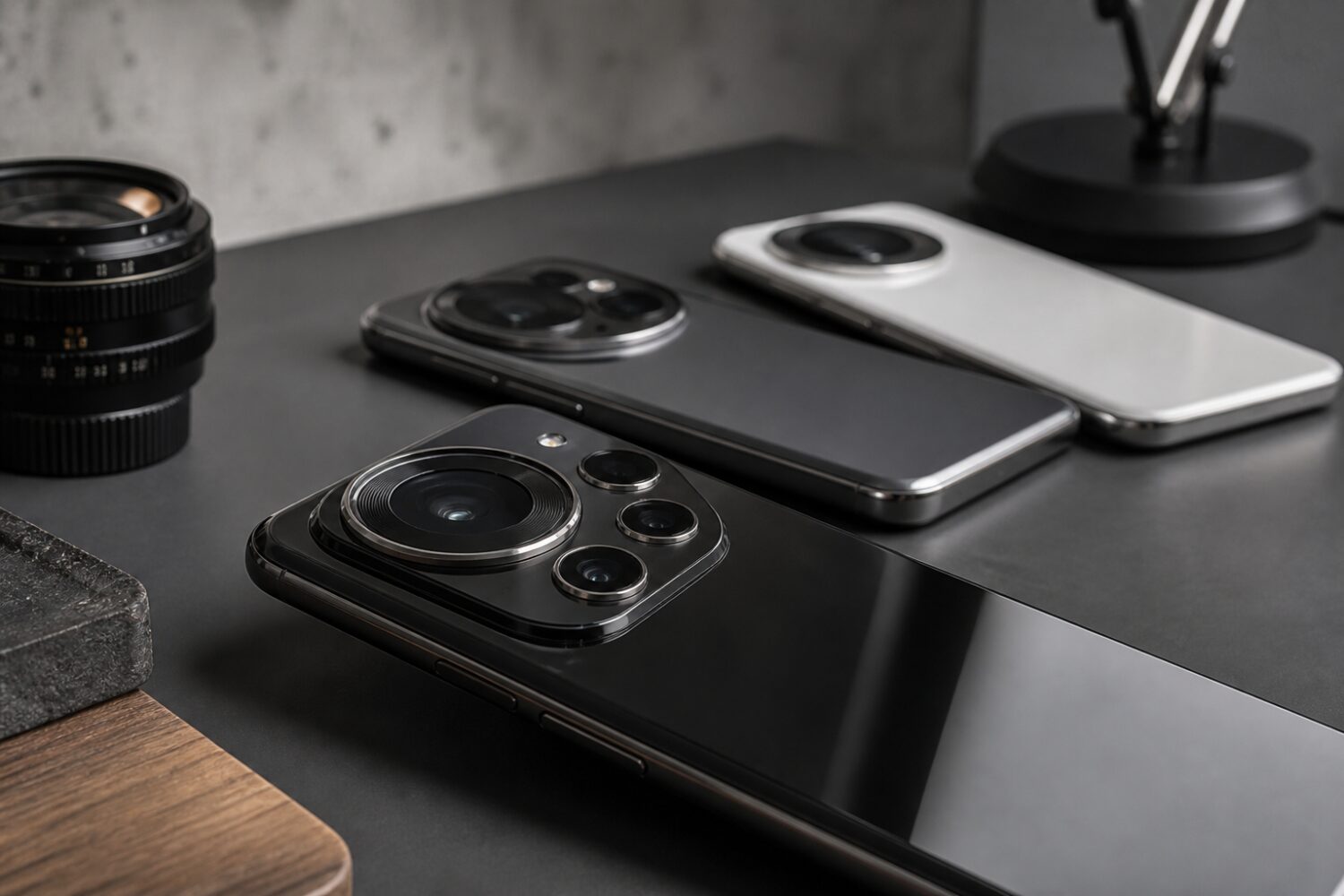
A new flagship camera-phone contest is taking shape around the Oppo Find X10 Pro Max, Honor Magic9 Pro Max and Xiaomi 18 Pro Max. All three place high-resolution imaging at the center of their designs, but they diverge through their sensor combinations, video capabilities, processing systems and partnerships with established camera-industry brands.
Oppo Find X10 Pro Max brings 200MP to every rear camera
Oppo’s Find X10 Pro Max has the most uniform rear-camera specification of the three phones, with 200MP resolution across its main, telephoto and ultrawide modules. The Hasselblad name also remains attached to the camera system as Oppo continues its imaging partnership with the brand.
The primary camera combines a 24mm-equivalent lens with an f/1.5 aperture, optical image stabilization and a 1/1.3-inch sensor. Oppo lists a dynamic range of 17 stops for this module. Its periscope telephoto camera uses a 70mm-equivalent f/2.1 lens, a 1/1.56-inch sensor and 3x optical zoom. Autofocus is supported from 10cm, while the stabilization system carries a 7.5-stop CIPA rating.
The third 200MP camera is a 13mm-equivalent ultrawide with an f/2.2 aperture and a 124-degree field of view. It uses another 1/1.56-inch sensor and includes phase-detection autofocus, giving the ultrawide camera a larger sensor than is commonly associated with secondary phone cameras.
Image processing is handled by Oppo’s Danxia algorithms and a dedicated LUMO processor. The system uses data from a multispectral sensor to analyze scene temperature and restore color, with automatic white balance and natural color reproduction as its main goals. Oppo’s Tide Engine reduces the interval between full-resolution 200MP burst images to 0.7 seconds.
For video, the Find X10 Pro Max supports 8K recording with a logarithmic profile. It can also capture 4K video at up to 120 frames per second with Dolby Vision and O-Log2 support. The phone is powered by MediaTek’s Dimensity 9600 Pro processor.
Its 6.78-inch LTPO AMOLED display has a 2772 x 1272 resolution, 144Hz refresh rate and support for Dolby Vision, HDR10+, HDR Vivid and 95% coverage of the BT.2020 color space. Gorilla Glass Victus 2 protects the panel. The global version is listed with an 8,000mAh battery, 80W wired charging and 50W wireless charging.
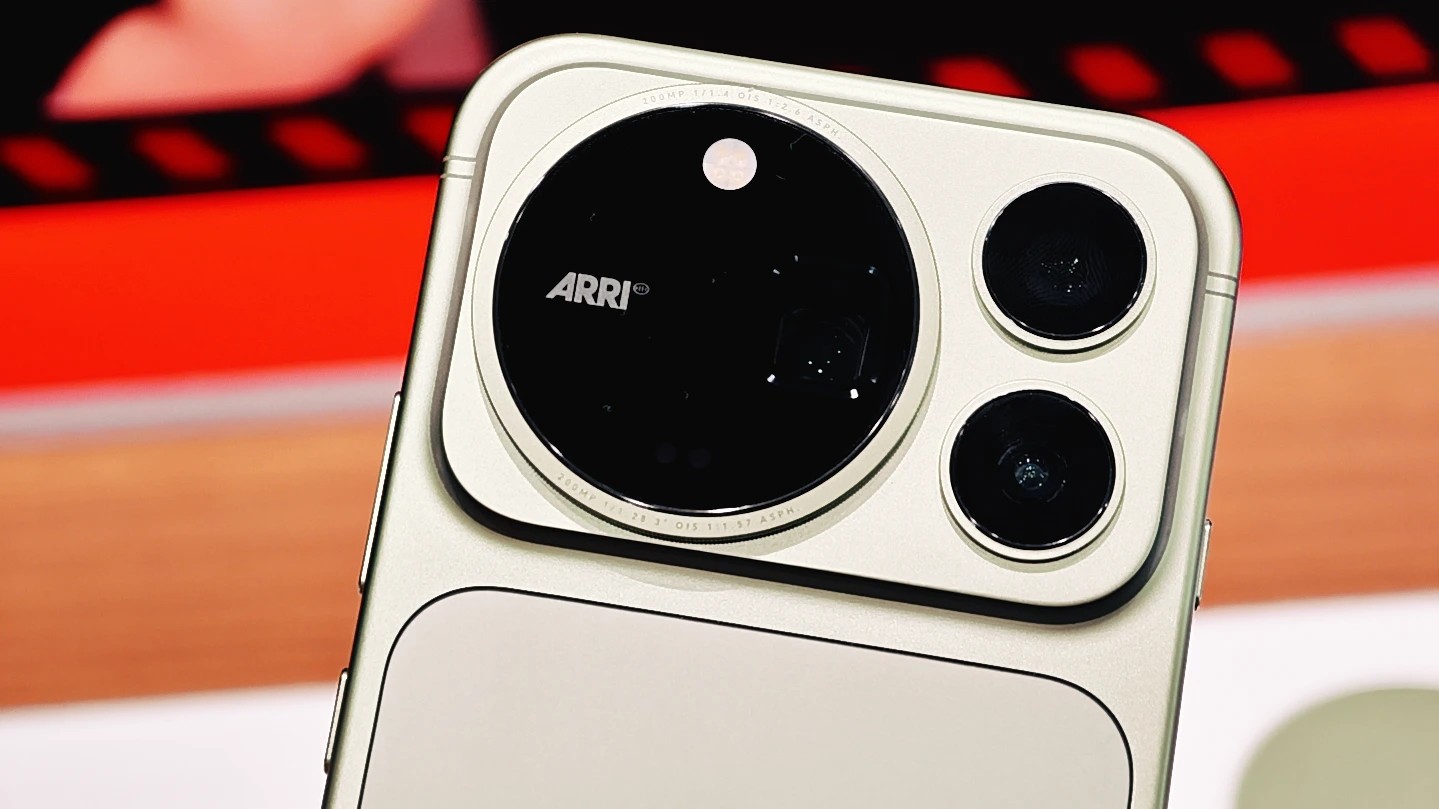
Honor Magic9 Pro Max focuses on ARRI color
Honor is taking a cinema-oriented route with the Magic9 Pro Max, whose camera system was developed with German filmmaking specialist ARRI. The collaboration emphasizes color reproduction, particularly for video, while the phone’s unusually shaped camera housing gives it a distinct visual identity.
The main camera uses a 200MP, 1/1.28-inch sensor behind an f/1.57 lens and includes optical stabilization. A second 200MP sensor powers the 85mm-equivalent telephoto camera. This 1/1.4-inch module has an f/2.6 aperture and provides 3.7x optical zoom.
Honor complements those cameras with a 50MP ultrawide module featuring a 12mm-equivalent focal length, f/2 aperture and 122-degree field of view. Reported video capabilities include 4K recording at 120 frames per second with 10-bit color, HDR and gyro-based electronic stabilization, plus Full HD capture at 240 frames per second. Honor had not disclosed every specification ahead of the phone’s scheduled Beijing announcement.
The Magic9 Pro Max features a 6.8-inch LTPO OLED display with a 2868 x 1320 resolution and 120Hz refresh rate. The panel supports Dolby Vision and HDR Vivid and is specified to reproduce one billion colors.
Honor also plans dedicated camera accessories. The Honor Mega Teleconverter offers a 500mm-equivalent focal length, while the smaller Honor Thumb Teleconverter provides a 200mm-equivalent option for mobile shooting. These accessories underline Honor’s attempt to position the device as more than a conventional smartphone with a large camera module.
Xiaomi 18 Pro Max combines Leica optics with LOFIC
The Xiaomi 18 Pro Max distinguishes itself with a secondary display integrated into the rear camera area. That screen can show images, notifications and the time, while also supporting interactive widgets and applications.
Its Leica-developed camera system is led by a 200MP SmartSens SCC90XS sensor using LOFIC technology. The 1/1.28-inch main sensor is paired with a 23mm-equivalent f/1.7 lens, dual-pixel phase-detection autofocus and optical stabilization.
A second 200MP sensor sits behind a 75mm-equivalent f/2.4 periscope lens. This camera provides 3.2x optical zoom, optical stabilization and autofocus from 10cm to infinity. A 50MP ultrawide rounds out the system with a 17mm-equivalent f/2.4 lens and a 102-degree field of view.
Xiaomi lists 8K HDR video recording at 30 frames per second, alongside 4K capture at 30, 60 or 120 frames per second. Depending on the mode, the phone supports HDR10+, 10-bit Dolby Vision HDR and 10-bit logarithmic recording.
The 6.9-inch LTPO AMOLED display has a 2624 x 1208 resolution and 12-bit color depth, allowing it to represent up to 68 billion colors. Processing comes from Qualcomm’s 2nm Snapdragon 8 Elite Extreme Gen 6 platform. Although the chipset is capable of higher recording rates, Xiaomi limits the phone’s 8K mode to 30 frames per second.
Three different strategies for mobile imaging
Despite their shared reliance on 200MP sensors, the three phones reflect different imaging priorities. Oppo spreads the same headline resolution across all three rear cameras and adds dedicated color and burst-processing hardware. Honor centers its proposition on ARRI color science and optional long-range optical accessories. Xiaomi pairs LOFIC sensor technology with Leica optics and a functional rear display.
Video is another major battleground. Oppo and Xiaomi both include 8K capture, while all three devices are specified for 4K recording at up to 120 frames per second. Logarithmic recording, 10-bit color and HDR formats further indicate that these models are targeting users who want greater flexibility when capturing and editing mobile footage.
The Find X10 Pro Max, Magic9 Pro Max and Xiaomi 18 Pro Max show how rapidly flagship phone cameras are expanding beyond a single high-resolution main sensor. Oppo emphasizes consistency across focal lengths, Honor leans into cinematic color and accessories, and Xiaomi combines new sensor technology with Leica optics. Their real-world performance will ultimately determine whether those ambitious specifications translate into better photographs and video.
Related Stories
 Mobile
OnePlus 16 Benchmark Leak Points to a Major Performance Leap
The OnePlus 16 has reportedly reached 5.4 million points in AnTuTu, with the listing also pointing to next-generation Snapdragon…
 Mobile
Samsung Brings More Galaxy AI Tools to the Galaxy S25 in One UI 9.0 Beta 2
Samsung is moving quickly with One UI 9.0 testing for the Galaxy S25 series. The second beta build, based…
 Mobile
HMD Salo 5G brings Android 16 and long support to business users
HMD Global has introduced the Salo 5G, a corporate-focused smartphone built around 5G connectivity, Android 16 and extended security…
 Mobile
Motorola Razr 70 Adds Swarovski Crystals in a Fashion-Focused Limited Edition
Motorola has introduced a Swarovski-accented Razr 70 variant within its Brilliant Collection, pairing the foldable with a Meteorite finish,…
 Mobile
Motorola Edge 70 Plus Arrives With 200MP Camera and Quad-Curved AMOLED Display
Motorola has introduced the Edge 70 Plus, a midrange smartphone built around a 200MP main camera, a large curved…
 Mobile
Sharp Aquos R11: Flagship Phone With Leica Cameras and IP69 Protection
Sharp has unveiled the Aquos R11, featuring Leica cameras, a 240Hz OLED display, Snapdragon 8s Gen 4, IP69 durability,…
 Mobile
Motorola Moto G Max Packs a 200MP Camera and One of the Brightest Displays Yet
Motorola Moto G Max launches with a 6.8-inch 120Hz AMOLED display, 200MP camera, 5,200mAh battery, Android 16, and IP69-rated…
 Mobile
iPhone 20 Leaks Reveal Bezel-Free Design, Under-Display Face ID and Touch Buttons
New iPhone 20 leaks suggest Apple is working on a futuristic bezel-free iPhone with under-display Face ID, touch-sensitive buttons,…
 Mobile
Phosh Update Brings Smarter Brightness, Better Multitasking, and Wider Hardware Support
Phosh, the mobile-focused desktop environment built on GTK and GNOME technologies, has received a new update with a series…