
Valve Makes Better Nvidia Support a Top SteamOS Priority
Valve is working to close the Nvidia compatibility gap in SteamOS, but the company says delivering the performance and features it wants will be a long-term effort.
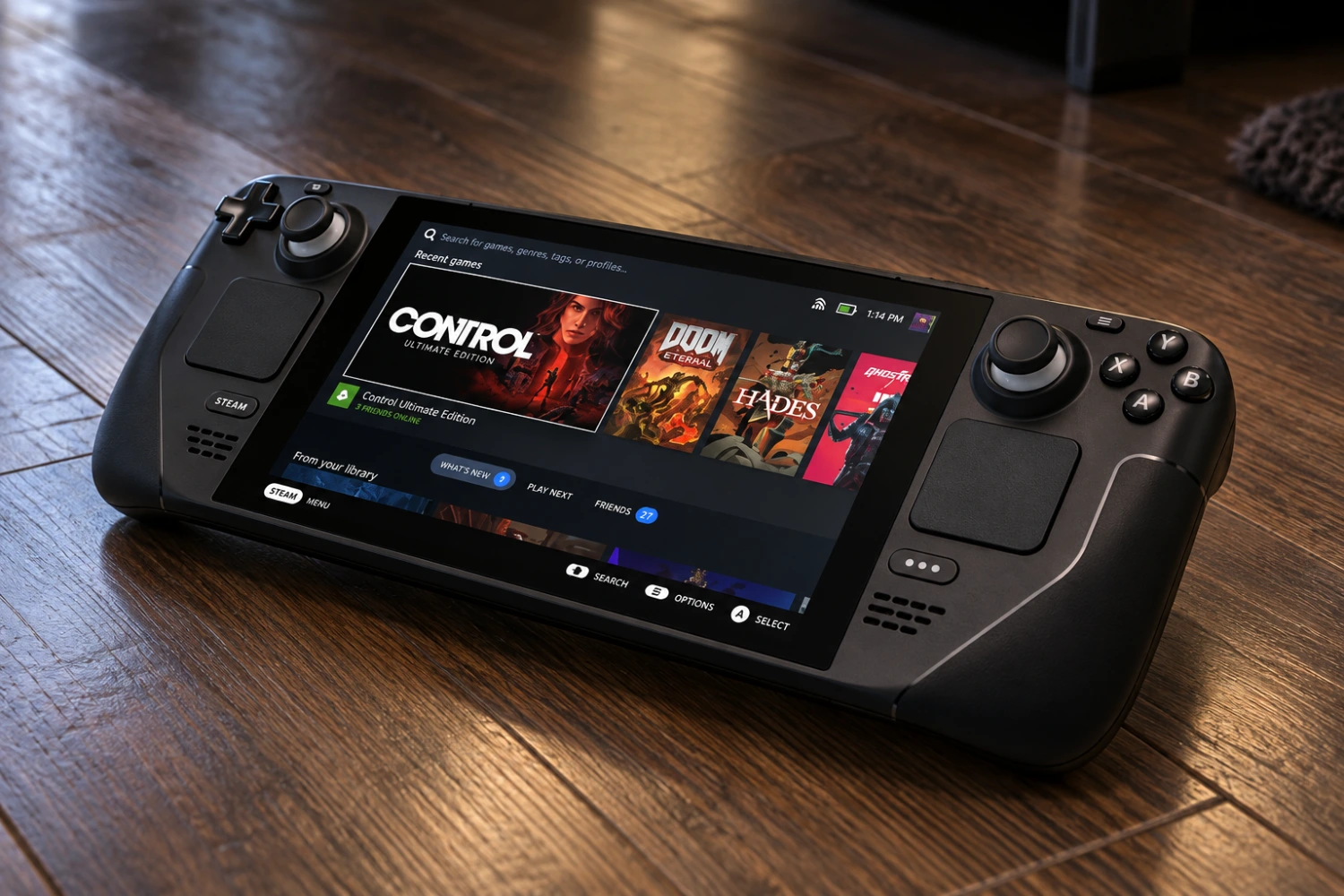
Valve is intensifying work on Nvidia graphics support for SteamOS, addressing one of the biggest obstacles facing PC gamers interested in moving from Windows to the Linux-based operating system. Although Nvidia drivers are already present in SteamOS and some graphics cards now work better, Valve says performance and feature support have not yet reached its target.
Nvidia compatibility is high on Valve’s agenda
Valve developer Pierre-Loup Griffais confirmed that the company is actively working to make Nvidia graphics cards operate more smoothly with SteamOS. He described the project as being at the top of Valve’s priority list, while cautioning that the technical complexity makes it a long-term undertaking rather than a quick update.
AMD hardware has so far been the safer option for people who want to play games through SteamOS. Nvidia cards can run on Linux-based systems, but achieving consistent performance and access to the expected graphics features has been more difficult. Valve’s goal is to reduce that gap and make the choice of GPU less restrictive for SteamOS users.
The company has already integrated the relevant driver into SteamOS, improving the experience with certain Nvidia cards. However, Griffais acknowledged that both performance and functionality remain behind Valve’s intended standard. Work is continuing, with incremental improvements being made over time.
Steam’s hardware mix makes Nvidia support essential
The scale of Nvidia’s presence among PC gamers explains why the project matters. According to Steam’s hardware survey, 73% of Steam users have an Nvidia graphics card. Without stronger compatibility, SteamOS remains a less practical option for a large majority of the platform’s PC audience.
Better support could make it easier for existing gaming PC owners to try SteamOS without replacing their graphics hardware. It would also strengthen the operating system’s position beyond dedicated devices such as the Steam Deck and other gaming systems associated with Valve’s expanding SteamOS strategy.
For Valve, this is therefore about more than optimizing a limited selection of hardware. Nvidia compatibility is an important requirement if SteamOS is to become a broadly accessible alternative for desktop and handheld gaming. A smoother experience could also benefit other Linux-based operating systems over time, particularly where they share parts of the same graphics and driver ecosystem.
Windows uncertainty creates an opening for SteamOS
The transition away from Windows 10 has led some PC users to consider other operating systems, especially when their existing hardware does not meet the requirements for Windows 11 or when they simply do not want to upgrade. SteamOS could appeal to that group, but only if it works reliably with the hardware already installed in their computers.
Nvidia’s large share of the Steam user base means graphics support will be central to that decision. If users face lower performance or missing functionality after switching, SteamOS is unlikely to be viewed as an equivalent gaming environment. Valve’s current work is intended to remove that concern, though its warning that the effort can take years suggests there will not be an immediate solution for every Nvidia card.
The gradual nature of driver development also means compatibility may improve in stages. Some GPUs can benefit from the driver integration already completed, while Valve continues working toward its wider performance and feature goals.
Anti-cheat remains another major Linux gaming barrier
Improved graphics drivers alone will not make every Windows game fully accessible on SteamOS. Anti-cheat compatibility remains a significant obstacle, particularly for prominent games such as Call of Duty and GTA. These systems can prevent titles from working on Linux even when the underlying game and graphics hardware are otherwise capable.
Anti-cheat technology can be made available for Linux-based platforms, but support often depends on game publishers and technology providers choosing to implement it. A larger SteamOS user base could give those companies a stronger incentive to invest in Linux compatibility.
That creates a connected challenge for Valve: better Nvidia support could attract more users, while a larger audience could encourage broader anti-cheat adoption. Both areas need progress before gaming on Linux can become as straightforward and widely supported as it is on Windows.
Valve’s Nvidia initiative targets a crucial weakness in SteamOS and could open the platform to a much larger share of PC gamers. The driver is already improving, but Valve’s own assessment makes clear that matching its ambitions for performance and features will require sustained development, alongside broader industry support for anti-cheat systems.
Related Stories
 Gaming
Stranger Than Heaven Lets Players Compose Songs and Run Concerts
Stranger Than Heaven will expand its action-adventure story with a music-management activity that lets Makoto recruit performers, create songs…
 Gaming
Physint’s Alleged Xbox Deal Draws Scrutiny Over $400 Million Report
Microsoft is reportedly backing Hideo Kojima’s espionage project Physint, although conflicting accounts leave both the cost and the game’s…
 Gaming
Apple’s Rumored iPhone Controllers Could Arrive Under the Beats Brand
Apple is reportedly preparing a more direct move into mobile gaming hardware with two iPhone-focused game controllers that could…
 Gaming
Rockstar Weighed Multiple Protagonists for Red Dead Redemption 2 Before Choosing Arthur’s Story
Red Dead Redemption 2 could have followed a very different storytelling model. Rockstar North head Rob Nelson has recalled…
 Gaming
Sony’s PlayStation 5 Monitor Adds DualSense Charging and PC Support
Sony has begun selling a 27-inch gaming monitor aimed primarily at PlayStation 5 and PlayStation 5 Pro owners, while…
 Gaming
Sony is Ending Physical PS5 Games – What It Means for the Future of Game Preservation
Sony will stop producing physical PlayStation game discs from 2028, making PS5 games digital-only. Here's what it means for…
 Gaming
Valve developer introduces smart VRAM management for smoother Linux gaming
A new Linux kernel and KDE patchset from Valve improves VRAM management, boosting gaming performance on low-memory GPUs with…
 Gaming
Terminator 2D: NO FATE Is Out Now – A Retro Arcade Reimagining of Judgment Day
Bitmap Bureau has officially launched Terminator 2D: NO FATE, a retro-styled arcade action game that brings the Terminator universe…
 Gaming
CD Projekt RED Announces Cyberpunk: Trading Card Game
CD Projekt RED is once again expanding the world of Cyberpunk 2077—this time beyond video games and into tabletop…